Condo & Apartment Leaks
Water from the unit above, a shared wall or a riser, dried out of ceilings, floors and walls in Midtown high-rises and mid-rises.
View service (833) 829-0018
Atlanta's humidity means mold does not need much help. A slow leak in a wall between condo units, a damp crawl space or a roof leak that went unnoticed can all grow mold fast.
Have your 5-digit ZIP code ready. A short prompt connects you to a local provider.
Mold remediation in Midtown Atlanta involves fixing the moisture source, containing the area, removing moldy porous materials, cleaning framing and surfaces, filtering air with HEPA units and confirming the area is dry before rebuilding.
Containment with plastic and negative air, removal of moldy drywall, insulation and carpet, cleaning of framing and hard surfaces, HEPA filtration and a final dryness check. The EPA mold guidance stresses moisture control.
In buildings, coordinate with management, since mold in shared walls affects more than one unit.
Source.
Plastic, negative air.
Moldy materials.
Dry and clean.
Closets, baths.
Walls, ceilings.
Moisture.
Indoors.
Water coming through the ceiling from upstairs? Call (833) 829-0018.Open 24/7 · Talk to a local provider in Midtown Atlanta
Call 24/7 (833) 829-0018Leaks between units, roof leaks, crawl space moisture, poor bathroom ventilation and summer humidity.
Run bathroom fans and keep indoor humidity under about 50 percent.
Mold often follows other water damage restoration in Midtown Atlanta jobs.
Sprinkler head went off? Call now for extraction.Open 24/7 · Talk to a local provider in Midtown Atlanta
Call 24/7 (833) 829-0018
Extent.
Containment.
Materials.
Dry.
Old house, wet crawl space? Talk to someone today.Open 24/7 · Talk to a local provider in Midtown Atlanta
Call 24/7 (833) 829-0018| Small | Large | |
|---|---|---|
| Who | Homeowner carefully | Professional |
| Containment | Rarely | Required |
| Removal | Clean surface | Cut out |
| Moisture fix | Needed | Needed |
| Factor | Why it matters | What to ask on the call |
|---|---|---|
| Units or rooms affected | More space means more equipment | Which rooms and units read wet? |
| Water category | Clean, gray or black changes the plan | What category is this? |
| Materials removed | Drywall, insulation, flooring, trim | What comes out and why? |
| Drying days | Equipment billed per day | Will you share daily readings? |
| Containment | Larger means more setup | How big? |
Dry within 24 to 48 hours. Call (833) 829-0018.
Water coming through the ceiling from upstairs? Call (833) 829-0018.Open 24/7 · Talk to a local provider in Midtown Atlanta
Call 24/7 (833) 829-0018No bleach on drywall; no sanding mold yourself.
For mold remediation in Midtown, ask the company for its Georgia license numbers, for the plumber and for any contractor doing repairs, and check them with the Georgia Secretary of State license lookup. Ask about IICRC training and request a certificate of liability insurance. Condo and apartment buildings usually require that certificate, naming the association or owner, before a crew can start.
Mold follows water damage restoration in Midtown Atlanta that waits.
Sprinkler head went off? Call now for extraction.Open 24/7 · Talk to a local provider in Midtown Atlanta
Call 24/7 (833) 829-0018If you test, use an independent inspector rather than the remediation company.
Mold near vents may point to condensation in ducts; include HVAC in the plan.
Old-house crawl spaces need drying and a new vapor barrier.
Old house, wet crawl space? Talk to someone today.Open 24/7 · Talk to a local provider in Midtown Atlanta
Call 24/7 (833) 829-0018Mold from a slow leak in a shared wall can affect two units. Management should coordinate containment and removal so both sides are handled together.
Older bathrooms and some condos have weak exhaust fans. Steam condenses on walls and ceilings and feeds mold. A properly vented fan run for 20 minutes after showers helps a lot.
After mold after water, notify your insurer and, in a condo, the association. Ask whether an adjuster wants to inspect before drying, keep receipts, and get the crew's photos and readings daily. In condos the master policy and your HO-6 policy split the work, and the association's documents decide who owns which pipe and which wall.
Water coming through the ceiling from upstairs? Call (833) 829-0018.Open 24/7 · Talk to a local provider in Midtown Atlanta
Call 24/7 (833) 829-0018If you rent in Midtown and face mold after water, report it to the landlord or management in writing right away, with photos. Building repairs are the owner's responsibility, while your belongings fall under your renters policy. Large complexes usually have an emergency maintenance line; call it as well as a crew if water is still coming.
When you call about mold after water, ask how soon they can arrive, whether they can work with building management, what they will measure, how many days of drying they expect and how they price it. Ask whether they bill insurance and who handles repairs.
Most clean-water jobs involving mold after water dry in three to five days. Atlanta's summer humidity, concrete floors in towers, and plaster or heart pine in old houses can stretch it. Repairs wait until the readings say dry.
Sprinkler head went off? Call now for extraction.Open 24/7 · Talk to a local provider in Midtown Atlanta
Call 24/7 (833) 829-0018The bill for mold after water follows time, water category, reach and materials. A leak caught in minutes on tile is small. A leak that ran overnight through two floors of a building, or soaked heart pine and plaster, is not.
In Midtown, mold after water tends to follow the weather: heavy thunderstorms from spring through summer, high humidity that slows drying and feeds mold, falling leaves that clog roof drains in autumn, and the rare hard freeze in winter that breaks exposed pipes and sprinkler lines.
In a tower, mold after water is often a shared problem involving management, neighbors and the master policy. In a house, it is yours alone, but older houses hide water in crawl spaces, plaster and old floors. The crew plans differently for each.
Old house, wet crawl space? Talk to someone today.Open 24/7 · Talk to a local provider in Midtown Atlanta
Call 24/7 (833) 829-0018Many Midtown leaks happen during move-ins, renovations and furniture deliveries: a sprinkler head bumped by a mattress, a disconnected washer line, a dishwasher installed without tightening the supply. If mold after water happened during work in the unit, note who was there and when.
Keep a single file for mold after water: photos, readings, invoices, emails with management, and the incident report if the building made one. It helps settle who pays and speeds the claim.
Atlanta's humidity is a big factor in mold after water. In summer, outdoor air is already damp, so crews rely on dehumidifiers and keep windows closed. Mold can start within a couple of days if wet materials are left, so drying should begin as soon as the water is stopped.
Water coming through the ceiling from upstairs? Call (833) 829-0018.Open 24/7 · Talk to a local provider in Midtown Atlanta
Call 24/7 (833) 829-0018If you are dealing with mold after water now, call (833) 829-0018. A local restoration company answers at any hour, walks you through the first steps and can usually reach a Midtown address the same day.
A typical case of mold remediation in Midtown: a 1-bedroom condo on the 14th floor of a tower off West Peachtree, with engineered wood over the concrete slab and drywall ceilings hiding the sprinkler and plumbing lines. Water arrives through the bathroom ceiling and runs along the slab under the flooring into the living room. The crew lifts flooring at the edges, opens a strip of ceiling, sets dehumidifiers, and shares readings with management and the unit owner above. Many Midtown jobs look like that.
In a house, mold remediation looks different. Picture a 1915 two-story home in Ansley Park with plaster walls and heart pine floors over a crawl space. Water from an upstairs bath runs into the plaster below and drips into the crawl space. The crew dries the plaster slowly, pulls wet insulation from under the floor and watches the heart pine closely so it can flatten as it dries.
Sprinkler head went off? Call now for extraction.Open 24/7 · Talk to a local provider in Midtown Atlanta
Call 24/7 (833) 829-0018With mold remediation, the costly mistakes are waiting to see if it dries, not telling building management, running a box fan and calling it done, sanding cupped wood floors too soon and throwing items away before photographing them. Each one adds time, cost or a claim headache.
Before drying starts for mold remediation, ask three things: which materials they plan to remove and why, how many days they expect equipment to run, and how they will show you it is dry. Clear answers to those three usually mean a well-run job.
Drying after mold remediation in a building can mean equipment in hallways, crews in the unit below and noise for several days. Ask the crew to coordinate with management on hours and elevator use, and let neighbors know what to expect. A short note on the door saves a lot of questions.
Old house, wet crawl space? Talk to someone today.Open 24/7 · Talk to a local provider in Midtown Atlanta
Call 24/7 (833) 829-0018Once drying for mold remediation is finished, watch the area for a few weeks. New stains, a musty smell or floors that keep moving can mean moisture was missed. Ask for the final readings and keep them with your records.
Georgia has no specific mold license; ask about training and certifications.
Not on porous materials.
Useful when mold is suspected but not seen.
Not if moisture is fixed.
Water from the unit above, a shared wall or a riser, dried out of ceilings, floors and walls in Midtown high-rises and mid-rises.
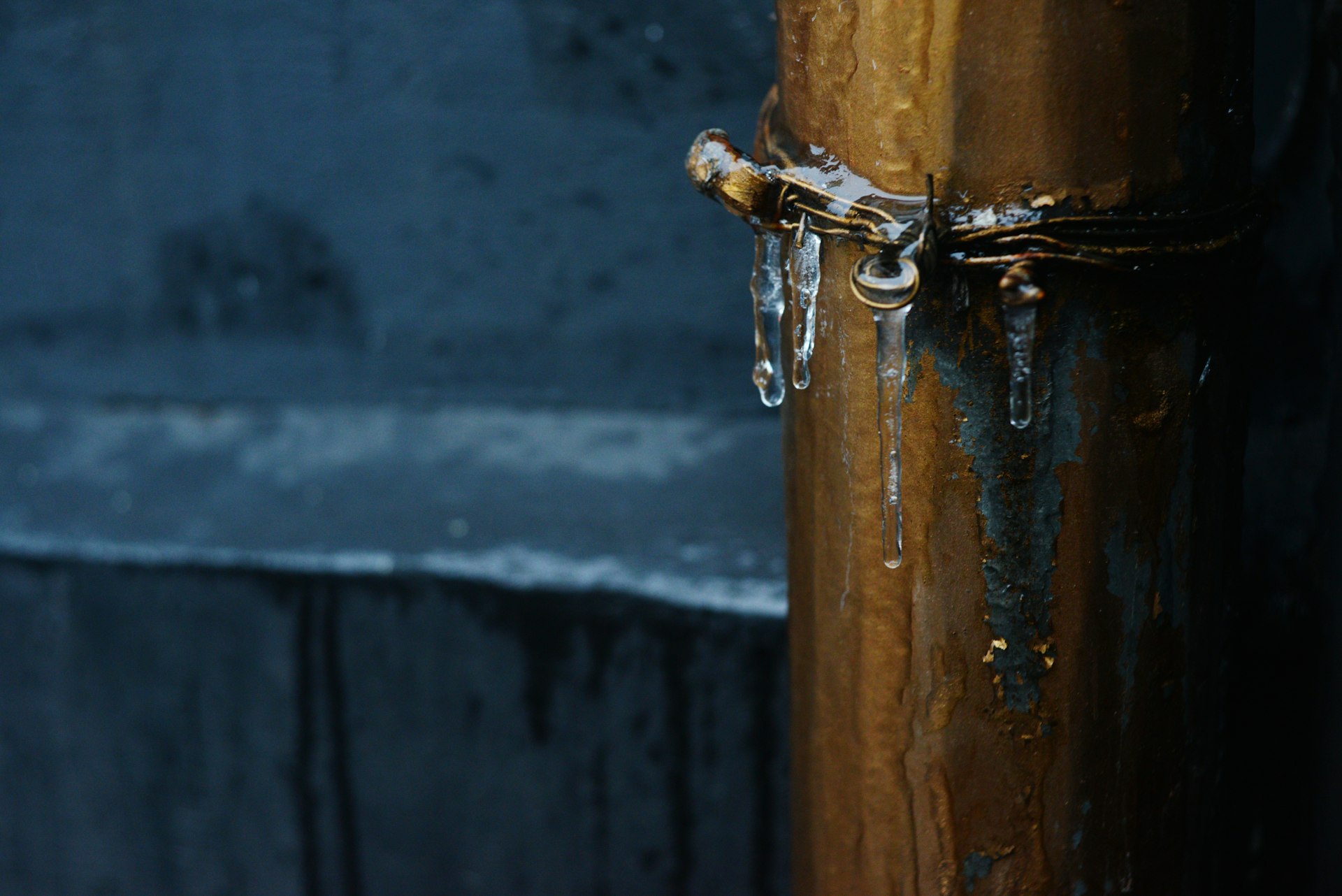
Fire sprinkler heads and supply lines that broke or froze, and the soaked units, hallways and garages around them.
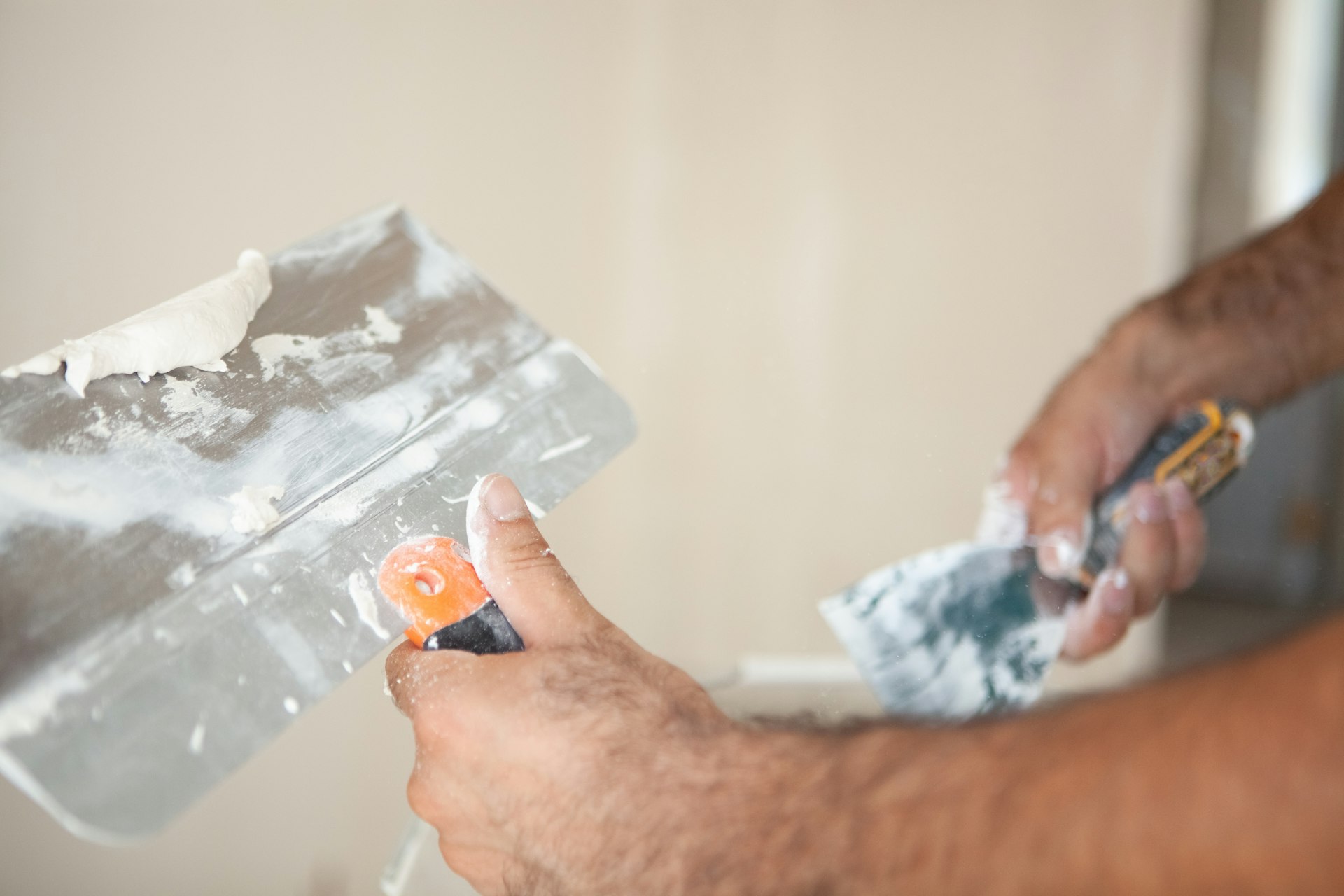
Leaks in early-1900s houses with plaster, heart pine floors, crawl spaces and old basements, dried with care.
Heavy Atlanta thunderstorms finding flat roofs, old flashing and clogged drains, dried out of top-floor ceilings and walls.
Water pulled from carpet, hardwood and tile and the structure dried with dehumidifiers and air movers, measured daily.
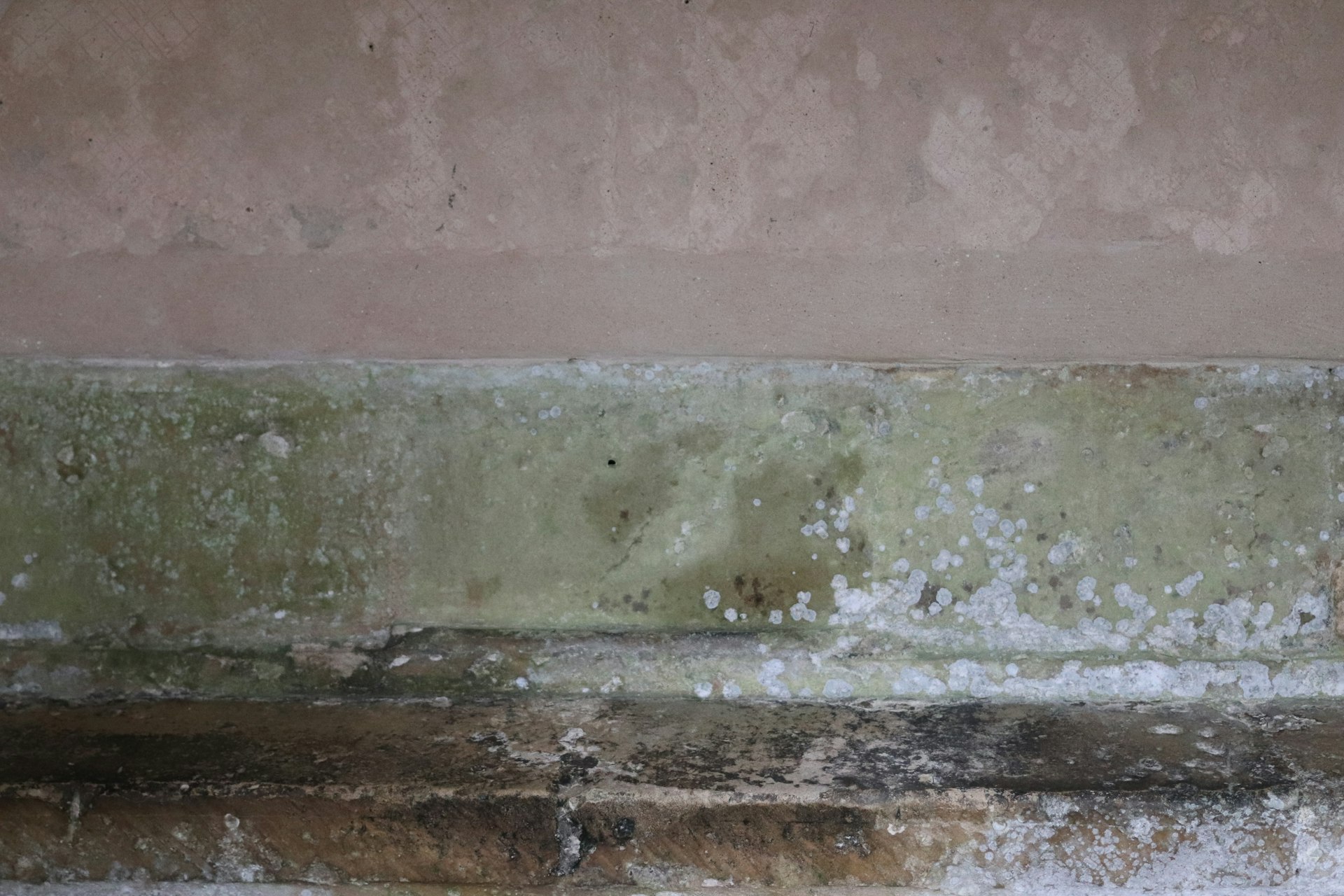
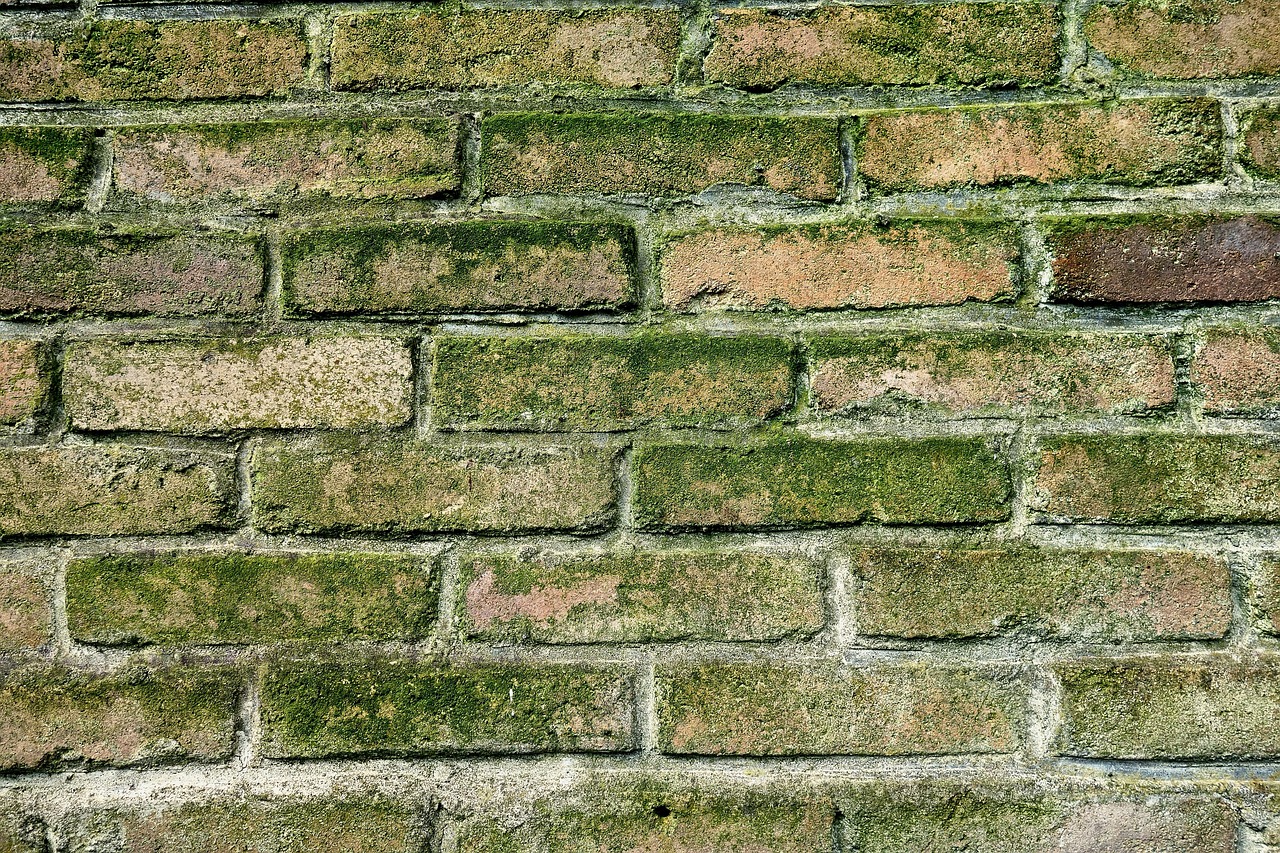
Representative stock images of Atlanta-style water damage jobs.
Call a local crew
One call reaches a restoration company that works across Midtown, from the towers along Peachtree and West Peachtree to Ansley Park and the streets around Piedmont Park. They explain the plan and pricing first.
(833) 829-0018Have your 5-digit ZIP code ready. A short prompt connects you to a local provider.